
The State of Gender Equality in UK Law and Society
Gender equality in the UK has traveled far in the last century and will always remain a work in progress. Laws on equal pay, along with movements for better representation in politics, sports, and leadership, have served the very purpose of a society wherein rights, responsibilities, and opportunities are not determined on the basis of gender.
This article looks at gender equality in the UK through the lens of legislation, policy, and public initiatives, while also taking a candid look at the remaining gaps that have yet to be addressed.
Legal Support for Gender Equality
The equality laws set the very foundation as to how people should be treated in any workplace, school environment, or public life. The UK has core legislation set up to protect women or men from discrimination and to ensure equal treatment.
The Equality Act 2010
The main equality legislation in the UK is the Equality Act 2010. This Act amalgamated several previous Acts into a single framework and made it unlawful to discriminate on grounds of, among others, gender, race, disability, age, and sexual orientation. Some of the core provisions of the Act include:
- Equal pay for equal work
- Protection from harassment or victimisation on the grounds of gender
- Requiring public bodies to promote gender equality as part of their public sector equality duty
The Act covers workplaces, schools, public services, and consumer settings. For instance, employers must not discriminate in recruitment, pay, promotion, or redundancy decisions.
The Gender Recognition Act 2004
Whilst the Gender Recognition Act protects against discrimination, it recognises a route for transgender people to obtain a Gender Recognition Certificate (GRC) which legally acknowledges their acquired gender. It is, however, a law widely criticised as antiquated as well as being too cumbersome, and therefore a call has been made to exempt or otherwise lessen the bureaucracy.
Gender Pay Gap and Workplace Equality
Workplace inequality has remained one of the most overt spheres of gender discrimination. Uneven pay, glass ceilings, and caregiving tilts in favor of one side churn out differential outcomes.
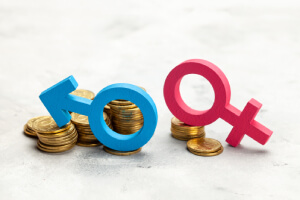
Reporting of Gender Pay Gap
Since 2017, all UK companies with 250 workers have been mandated to report the difference between the average pay of male and female employees, the difference in bonuses, and the proportions of men and women in each of the four pay quartiles.
The obligation to report was established to provide some transparency on the matter, yet it remains as the aberration in the case. According to ONS (2023), full-time median gender pay gap remains with 7.7%, with much wider differences at senior levels in finance, construction, and technology.

Workplace Discrimination
The gender pay gap is only one measure of inequality. Other structural and cultural factors limit a woman’s career advancement, including unconscious bias during hiring and promotion, caring responsibilities being imbalanced, restricting the opportunities available to women, the lack of affordable childcare, and gender expectations with respect to roles and industries.
Government-backed schemes exist for tackling some of these issues, including return-to-work programmes, shared parental leave, and flexible working rights, although take-up and enforcement may vary across sectors.
Equal Representation in Politics
Equal representation in politics at the level of decision-making becomes an axiom of democracy. Breakthroughs have indeed been there, yet often gaps remain in places of leadership, power, and visibility.
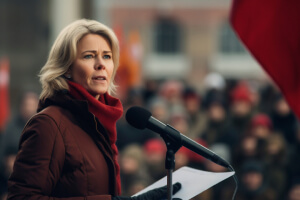
Women and Politics
The UK has witnessed several landmarks in the political participation of women—most notably with the elections of Margaret Thatcher and later Theresa May as Prime Ministers. However, women are still far from parity in representation. Current Status (latest general elections):
- Women constitute 35% of MPs in the House of Commons
- In the House of Lords, about 29% are women
- Similar disparities in local councils and devolved parliaments
Political parties have used different strategies, such as all-women shortlists and gender quotas, to increase female representation with varying degrees of success. Cultural and structural barriers, economic pressures, media scrutiny, and online abuse still discourage many women from entering politics.
Gender Balance in Public Appointments
Outside Parliament, gender balance is promoted in public bodies and civil service leadership roles. However, executive positions remain highly male-dominated, especially in finance, defence, and infrastructure institutions.
Education and Gender Equality
Since education influences attitudes, aspirations, and career choices, opportunities are still divided by gender in subject choice and career expectations.
Access and Participation
Generally speaking, access to schooling and higher education in the UK is alike for boys and girls. In fact, university-age women now outnumber men. However, participation in subjects remains gendered:
- Women are underrepresented in STEM (science, technology, engineering, maths).
- Men are less likely to pursue careers in teaching, social care, or nursing.
The Department for Education funds campaigns such as STEM Ambassadors and gender-neutral career guidance to address this divide.
Sex and Relationships Education (SRE)
Tackling gender stereotypes and fostering respectful behaviour begins in classrooms. Since 2020, schools in England must provide RSE covering consent, equality, respect, and gender identity. These lessons aim to build understanding of healthy relationships and dismantle stereotypes. However, certain content, especially around gender identity and LGBTQ+ inclusion, remains politically debated.
Violence – Gender-Based Inequalities and Protection under the Law
Rates of violence, abuse, and harassment differ by gender and highlight stark inequalities, especially for women.

Domestic Abuse Act 2021
The Domestic Abuse Act 2021 was a major step forward, introducing measures such as:
- Recognising emotional, coercive, and economic abuse
- Appointing a Domestic Abuse Commissioner
- Banning cross-examination of victims by abusers in court
- Enhancing housing rights and protection orders
While gender-neutral, most victims are women, and the law aims to improve justice and support for survivors.

Violence Against Women and Girls (VAWG) Strategy
The UK government’s VAWG strategy coordinates policing, prevention, and victim support. It includes:
- Investment in domestic abuse services
- Funding for police and community safety projects
- Campaigns against harassment, stalking, and sexual violence
However, campaigners demand stronger enforcement, independent advocacy, and education initiatives, with focus on tackling male violence and misogyny.
Intersectionality – How Gender Interacts with Other Inequalities
Gender inequality intersects with race, class, and disability, creating compounded disadvantages. Women who are Black, disabled, working-class, or migrants often face heightened barriers. For example:
- Black and Asian women experience higher unemployment and lower promotion rates.
- Disabled women face greater workplace discrimination and abuse.
- Low-income women are disproportionately affected by austerity cuts.
This concept, known as intersectionality, requires policies that look beyond gender alone. Awareness is growing in academia and activism, but many public policies still treat gender inequality in isolation, overlooking deeper systemic issues.
Government Bodies and Independent Organisations
Government departments, watchdogs, and civil society organisations play crucial roles in promoting gender equality.
Government Equalities Office (GEO)
The GEO leads on gender equality strategy across government, enforcing gender pay gap reporting and overseeing appointments in public life.
Equality and Human Rights Commission (EHRC)
The EHRC enforces the Equality Act, investigates breaches, and monitors anti-discrimination trends. While vital, its funding and independence have been questioned in recent years.
Final Thoughts
Legislation, education, and policy have driven significant progress in gender equality in the UK. Women and girls now enjoy greater rights and opportunities than ever before. However, disparities in pay, representation, safety, and access to resources persist.
Achieving true equality requires stronger enforcement of existing laws, cultural change, and policies that address the root causes of discrimination. Gender equality is not only a matter of rights, but also of enabling every individual to reach their full potential.